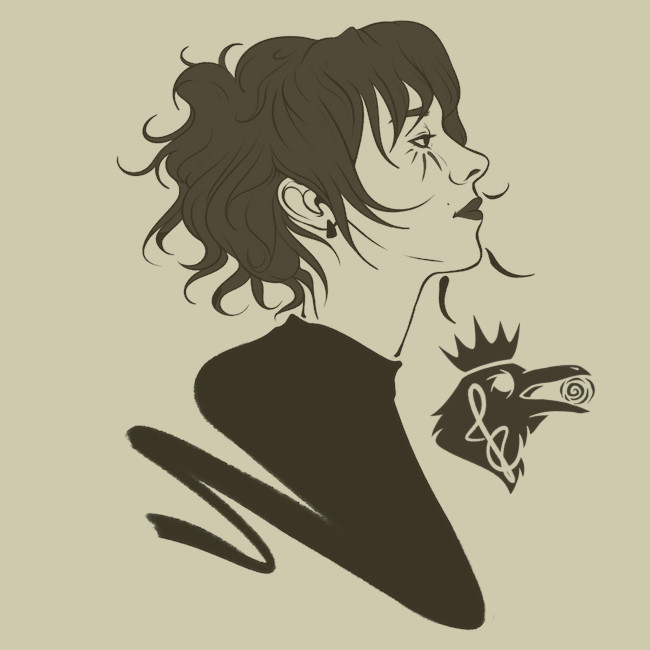
Small Art Business – How to develop your own art business?
Welcome to the world of Cierpkie Jagody, my small online illustration and graphic arts shop! Creating a small art business is not only a passion, but also the art of combining creativity with entrepreneurship. If you dream of making money from your art and developing your own art business, this article will help you understand how to combine art and business into a harmonious whole.

What is Small Art Business?
A small art business is simply a small business based on art. It can involve selling illustrations, handicrafts, artistic jewelry, ceramics, clothing with original designs, or even digital art in the form of printable files. This type of business often begins with passion and the desire to share one’s work, but it can also become a primary source of income.
Small Art vs. Big Art
Large galleries and auction houses handle millions, but small art is more accessible—often aimed at individual clients who want to surround themselves with original, yet affordable works. It’s also a great option for artists who want control over their work.
From Passion to Business – First Steps
Transitioning from creating for yourself to running your own art business requires some preparation. Here are a few key steps worth taking:
Finding a niche
It’s not enough to create art—it’s important to know who it’s intended for. Answer these questions:
- What styles, techniques and themes appear in my work?
- Who might be interested in my works?
- How to stand out from other artists?
A well-defined niche allows you to build a coherent brand and reach the right audience.
Choosing a Sales Model
When running an art business, you have several options:
- Online store (e.g. Etsy, your own website on Shopify or WooCommerce)
- Artist platforms (e.g. Society6, Redbubble)
- Social media as a sales channel (Instagram Shop, Facebook Marketplace)
- Collaboration with galleries and boutiques
- Sales at art fairs and festivals
Each model has its advantages – it’s worth experimenting and seeing what works best.
Building Brand Identity
Your small art business should be recognizable. To achieve this:
- Create a unique logo and consistent visual identity.
- Determine what values your art represents.
- Take professional photos of your work.
Art and Business – How to Effectively Promote Your Work?
Art and business are a difficult combination, as artists often struggle to think in terms of marketing. However, without promotion, even the best work can go unnoticed.
Social Media – Your Best Friend
Social media is a powerful tool for promoting your art business. Here are some platforms worth utilizing:
- Instagram – a great place to present your work in an aesthetic way.
- Pinterest – perfect for building long-term traffic to your website.
- TikTok – short videos showing the creative process can attract crowds of fans.
- Facebook – thematic groups and marketplaces can be a great place to sell.
Remember to be consistent – posting regularly and interacting with your audience increases your visibility.
SEO and Blogging
If you have your own online store, it’s worth focusing on SEO (search engine optimization). Write a blog on topics related to your work—for example, tutorials on painting techniques, stories about how your work was created, or inspirations.
Email Marketing
It’s worth building a subscriber base – a newsletter allows you to maintain relationships with customers and inform them about new products.
Art Business – How to Earn More?
When running an art business, it’s worth diversifying your income sources. Here are some ideas:
Sale of Digital Files
Not everyone wants to buy physical paintings – printable art files are a great alternative.
Art Licensing
You can license your designs for use in, for example, wallpaper, clothing, or stationery.
Workshops and Online Courses
If you have experience in your field, running workshops can be an additional source of income.
Crowdfunding and Patronage
Platforms like Patreon and Buy Me a Coffee allow you to gain support from fans and create exclusive content for them.
Small Art Business Challenges and How to Overcome Them
Running your own small art business is not only a success, but also a challenge. Here are some of the most common problems and how to solve them:
No Customers
• Ensure better visibility on the web.
• Invest in Facebook and Instagram ads.
• Collaborate with influencers.
Low Valuation of Work
• Don’t be afraid to raise your prices! Your art has value.
• Take into account production costs, working time and the uniqueness of the work.
Lack of Time
• Set priorities – focus on the most important aspects.
• Automate some processes (e.g. scheduling social media posts).
Summary
Running a small art business is a fascinating journey, combining art and business in a unique way. It’s worth remembering that success requires consistency, creativity, and a good marketing strategy. If you’re ready to get started, take action and create, and your art business will surely begin to grow!

